Tag: gadget reviews

  • Your Ultimate Guide to the Modern Technology Mag

    Your Ultimate Guide to the Modern Technology Mag

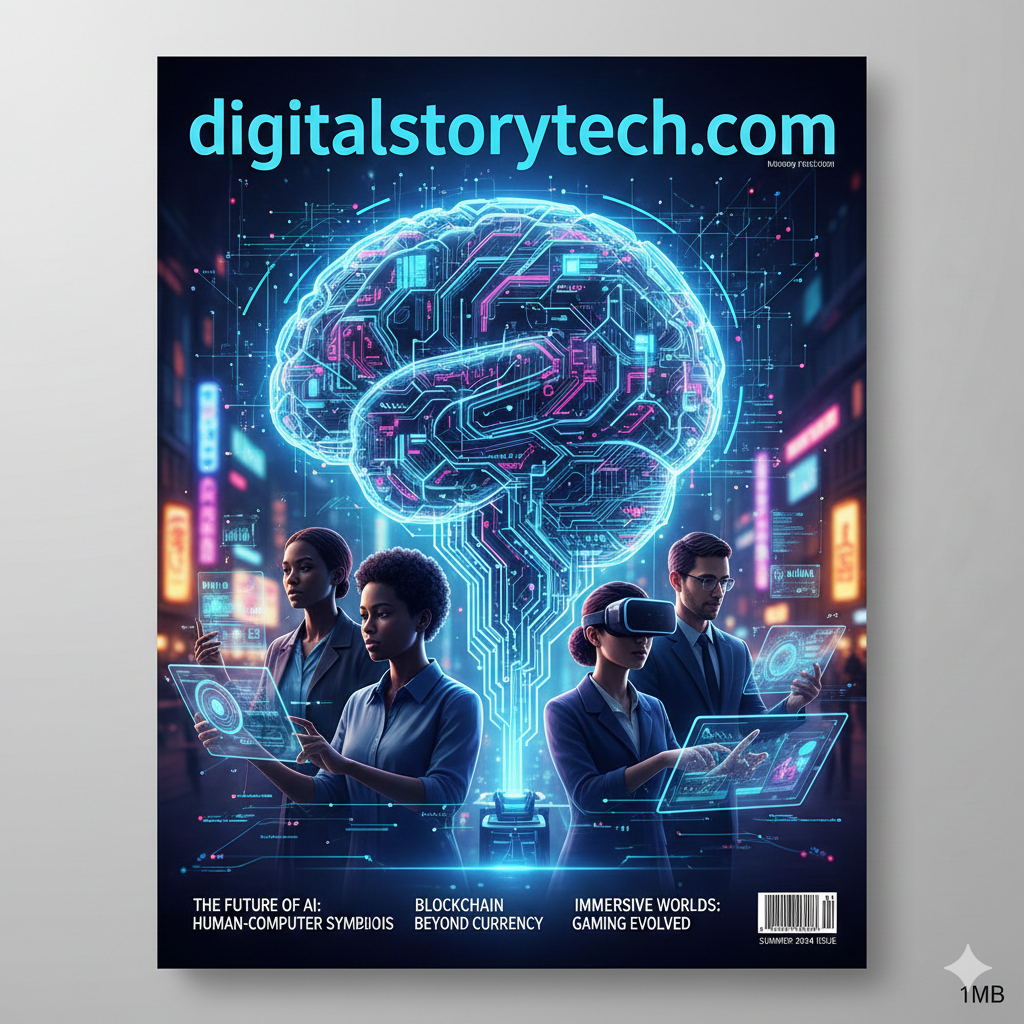
    Remember the thrill of walking past a newsstand and seeing the glossy cover of the latest technology mag? That bright, bold headline promising a glimpse into the future? The world of technology media has evolved dramatically, but the core mission of a great technology magazine remains the same: to inform, inspire, and demystify the rapid world of innovation. Whether you are a hardcore gadget geek, a curious professional, or someone who just wants to understand how the latest apps are changing our lives, there is a technology mag out there for you. This guide will walk you through everything you need to know about technology magazines today, from the enduring power of print to the dynamic world of digital editions. We will explore how they have adapted to the internet age, what makes a great one stand out, and how you can find the perfect publication to fuel your curiosity. Think of this as your friendly map to the vast and sometimes overwhelming landscape of tech journalism.

    What Exactly is a Technology Magazine?

    At its heart, a technology mag is a periodic publication dedicated to covering the latest developments in the tech industry. This is a broad field, encompassing everything from the newest smartphone releases and software updates to deep dives into artificial intelligence, cybersecurity, and scientific breakthroughs. A technology magazine does not just report the news; it provides context, analysis, and expert opinion. It helps readers understand not just what is happening, but why it matters and how it might impact their personal and professional lives. Before the internet became our primary source of information, these magazines were the authority. They were the place where new products were officially unveiled and where long-form essays explored the societal implications of emerging technologies. Today, they serve as a crucial filter, separating the significant trends from the fleeting hype, a service that is more valuable than ever in our information-saturated world.

    The format of a technology mag can vary widely. Some are consumer-focused, filled with buying guides and hands-on reviews. Others are geared toward industry professionals, covering enterprise software, business strategies, and market analyses. There are also scholarly technology magazines that bridge the gap between academic research and public understanding. Regardless of their specific niche, the best publications share a commitment to quality journalism, clear writing, and a genuine passion for the subject matter. They take complex ideas and make them accessible without dumbing them down. In an era of clickbait and shallow listicles, a well-researched article in a respected technology mag offers a depth of understanding that is hard to find elsewhere.

    The Evolution of the Technology Mag: From Print to Pixels

    The story of the technology mag is a story of adaptation. In the 1980s and 1990s, titles like Byte and PC Magazine were essential reading for anyone interested in personal computers. They were thick, ad-heavy, and packed with technical specifications and code listings that enthusiasts devoured. These publications were not just magazines; they were communities and lifelines. As technology became more mainstream, so did the magazines. Titles like Wired emerged, focusing less on pure specs and more on the culture, politics, and design of the tech world, with a iconic and bold visual style that itself became influential.

    The rise of the internet in the late 1990s and 2000s posed an existential threat to print media. Why wait for a monthly magazine when you could get news instantly online? Many legacy print magazines struggled, folded, or made the difficult transition to a digital-first model. This was not the end of the technology mag, but rather a transformation. The most successful publications understood that their value was not in the paper they were printed on, but in the trust and authority of their brand and the quality of their journalism. They evolved into multi-platform media companies, producing daily web content, podcasts, newsletters, and video series, while often maintaining a print or digital magazine edition for deeper, more reflective storytelling. This hybrid model defines the modern technology mag.

    Why Read a Technology Magazine in the Digital Age?

    It is a fair question. With countless free blogs, news sites, and social media feeds at our fingertips, why would anyone spend time or money on a technology magazine? The answer lies in the unique value proposition that a curated magazine offers. In a world of endless, real-time information streams, a technology mag provides depth over breadth, and analysis over instant reaction. It is the difference between snacking on chips throughout the day and sitting down for a nourishing meal. The editorial process of a magazine—the pitching, writing, editing, and fact-checking—ensures a level of quality and accuracy that is often missing from quickly-published online content.

    Furthermore, a good technology mag introduces you to ideas you did not know you were interested in. Algorithms on social media and news aggregators tend to show you more of what you already like, creating a “filter bubble.” A magazine, with its fixed table of contents, pushes you out of your comfort zone. You might pick it up for a smartphone review but find yourself engrossed in a feature about quantum computing or the ethics of facial recognition. This serendipitous discovery is a core strength of the magazine format. As noted in an analysis on Digital Story Tech, “The curated nature of a magazine forces a broader perspective, challenging readers to engage with topics outside their immediate algorithmic echo chamber.”

    Different Types of Technology Magazines

    Not all technology magazines are created equal. They cater to different audiences and interests. Understanding these categories can help you find the one that best suits your needs.

    Consumer Tech Mags

    These are the most common and widely read types of technology magazines. They focus on products and services for the average person.

    Gadget-Centric Publications

    These publications are all about the hardware. They live and breathe new product launches, offering in-depth reviews, comparisons, and buying guides for smartphones, laptops, cameras, headphones, and smart home devices. Their writing is typically engaging and accessible, aimed at helping consumers make informed purchasing decisions. They often feature stunning photography and hands-on video reviews to complement their written content.

    Lifestyle and Culture Focused Mags

    This breed of technology mag looks beyond the specs sheet to explore how technology is weaving itself into the fabric of our daily lives, from how we work and play to how we form relationships. They cover the intersection of tech with fashion, art, entertainment, and society. For instance, you might find a piece exploring the design philosophy behind a new smartwatch alongside a feature on how virtual reality is changing documentary filmmaking. It is a holistic look at tech as a cultural force.

    Industry and Business Tech Mags

    These are written for professionals, executives, and investors in the tech sector and beyond.

    For IT Professionals and Developers

    These are the modern descendants of the old technical journals. Magazines in this category, often available through professional organizations or subscriptions, cover topics like network security, cloud infrastructure, software development frameworks, and data management. The content is more specialized and assumes a certain level of prior knowledge, providing practical advice and deep dives into the tools that power the modern enterprise.

    For Executives and Strategists

    These publications focus on the business side of technology. They analyze market trends, mergers and acquisitions, leadership strategies, and the economic impact of new technologies. The goal is to help business leaders understand how to leverage technology for competitive advantage, manage digital transformation, and make strategic decisions about their company’s tech investments.

    Academic and Futurist Publications

    For those who want to look beyond the next product cycle, these magazines explore the cutting edge of research and future possibilities.

    The Bridge Between Science and Society

    These magazines take peer-reviewed research and complex scientific concepts and translate them for an intelligent lay audience. They cover advancements in fields like biotechnology, renewable energy, material science, and space exploration. Reading them feels like having a conversation with a brilliant scientist who is also a gifted storyteller, explaining not only the discovery itself but also its potential to change the world.

    Envisioning Tomorrow’s World

    Futurist publications are less about what technology is and more about what it could be. They feature speculative essays, interviews with visionary thinkers, and explorations of the long-term societal and ethical implications of technologies like artificial general intelligence or human augmentation. They are thought-provoking and designed to challenge your assumptions about the future.

    What Makes a Great Technology Mag Stand Out?

    In a crowded market, the best technology magazines cultivate a unique identity and consistently deliver high-quality content. First and foremost is authoritative and ethical journalism. Readers must be able to trust that the reviews are unbiased and the reporting is accurate. This means clear distinctions between editorial content and advertising, and transparent disclosure of any potential conflicts of interest. The writing itself must be engaging and clear, capable of making complex topics understandable without sacrificing depth. A great technology mag respects its readers’ intelligence.

    Secondly, a strong and unique visual identity is crucial. This includes compelling photography, thoughtful layout design, and a cohesive aesthetic across both print and digital platforms. The design should enhance the reading experience, not distract from it. Finally, the most successful modern magazines have built a ** vibrant community** around their brand. This can be through comment sections, dedicated forums, social media engagement, or live events. They are not just broadcasting information; they are facilitating a conversation among their readers, making them feel like part of a larger tribe of curious minds.

    The Top Technology Magazines You Should Be Reading Today

    Here is a curated list of some of the most respected and influential technology magazines available today, each with its own distinct flavor.

    Magazine Name Primary Focus Key Strength Best For
    Wired Tech, Culture, Science, Business Trend-spotting, long-form journalism, iconic design Readers who want to understand the big picture of how tech is changing the world.
    MIT Technology Review Emerging Technologies, Science, Policy Deeply informed, authoritative analysis of future tech. Those interested in the science and societal impact of breakthroughs like AI and biotech.
    Consumer Reports Product Reviews, Buying Guides Unbiased, rigorous testing and ratings. Consumers who want data-driven, ad-free advice before making a purchase.
    The Verge Tech, Science, Art, Culture Modern, multimedia storytelling and design-centric approach. A younger, design-savvy audience that sees tech as part of their lifestyle.
    IEEE Spectrum Engineering, IT, Innovation Technical depth and credibility from the world’s largest technical professional organization. Engineers, technologists, and deeply technical enthusiasts.

    How to Choose the Right Technology Mag for You

    With so many options, selecting the right technology mag can be a personal journey. Start by asking yourself a few questions. What is your primary interest? Are you looking for buying advice, industry news, or big-picture futurism? What is your technical level? Be honest with yourself about how deep you want to dive into the technical details. Also, consider your preferred format. Do you enjoy the tactile experience of a print magazine, or do you prefer the convenience and multimedia features of a digital edition?

    The best way to find out is to sample a few issues. Most magazines offer a few free articles online or a trial subscription. Pay attention to the writing style, the topics covered, and the overall tone. Does it feel like it is written for you? Does it challenge you in a good way? Do not feel you have to stick to just one. Many people subscribe to a mix: one for daily news, another for in-depth features, and a third for visionary ideas. Your perfect technology mag is the one you look forward to reading, the one that leaves you feeling smarter and more curious after you put it down.

    The Art of the Lede: A Case Study in Tech Journalism

    A powerful introduction, or “lede,” is what hooks a reader and compels them to continue. Let us imagine a feature article about sustainable fashion tech. A weak lede might state, “This article is about new sustainable fabrics.” A compelling lede from a skilled technology mag would paint a picture. It might start by describing the sensation of wearing a stunning a night in tokyo lace dress burgundy, noting its intricate design and rich color. Then, it would reveal the surprising truth: this beautiful garment is woven from fibers derived entirely from recycled plastic bottles, engineered through a groundbreaking enzymatic process. This approach combines human interest, tangible description (the A Night in Tokyo Lace Dress Burgundy), and technological wonder, immediately engaging the reader on an emotional and intellectual level. This is the kind of storytelling that defines the best technology journalism.

    The Future of Technology Magazines

    The technology mag will continue to evolve, just like the subject it covers. We can expect several key trends to shape its future. Personalization will become more sophisticated, with digital editions offering curated content feeds based on a reader’s interests, while still preserving the element of serendipity. Interactive and immersive content will become more common, with articles incorporating 3D models, augmented reality experiences, and interactive data visualizations that you can explore directly within the digital page.

    Furthermore, the line between different media formats will continue to blur. The magazine of the future might be a “bundle” that includes the written publication, access to a premium podcast, a weekly video roundtable, and a private community forum, all under one subscription. The core brand and its journalistic integrity will be the anchor, but the ways in which stories are told and the community is engaged will multiply. The technology mag that thrives will be the one that best leverages new tools to fulfill its timeless mission: to tell the most important stories of our technological age with clarity, depth, and passion.

    Key Takeaways

    • A modern technology mag offers curated, in-depth analysis that cuts through the noise of daily online news.

    • The format has successfully evolved from print-only to a multi-platform model including digital editions, web content, and podcasts.

    • Different types of magazines cater to different audiences, from gadget lovers and culture enthusiasts to IT professionals and futurists.

    • Trust, quality writing, and a strong visual identity are the hallmarks of a great technology magazine.

    • The future points towards more personalized, interactive, and immersive storytelling experiences.

    Frequently Asked Questions (FAQ)

    Are print technology magazines still worth buying?
    Absolutely. While digital is convenient, print magazines offer a focused, distraction-free reading experience that many people still prefer for long-form content. The tactile pleasure and curated nature of a physical issue have enduring appeal.

    What is the difference between a technology blog and a technology magazine?
    The lines can blur, but generally, a blog is more frequent, informal, and reactionary, often driven by a single author or a small team. A technology magazine implies a higher level of editorial oversight, fact-checking, and structured storytelling, often on a weekly or monthly schedule, with a broader scope.

    How can I get a job writing for a technology mag?
    Start by building a portfolio of your work, even if it is on your own blog or as a contributor to smaller sites. Develop a specific area of expertise, whether it is smartphones, AI, or cybersecurity. Learn to write clearly and engagingly. Finally, network with current journalists and editors, and do not be afraid to pitch compelling story ideas directly to publications you admire.

    Do most technology magazines have paywalls?
    Many reputable technology magazines operate on a “freemium” model. They offer some daily news and articles for free to drive traffic, but reserve their most valuable content—like in-depth feature articles, long-form reviews, and investigative reports—for paying subscribers. This supports quality journalism.

    Can I trust the product reviews in technology magazines?
    Reputable magazines take their independence and review integrity very seriously. Look for publications that are transparent about their testing methodologies and have clear policies about not accepting gifts or special treatment from companies they cover. Digital Story Tech emphasizes that “a trustworthy review always prioritizes the reader’s interest over access or advertising relationships.”

  • The Ultimate Guide to Tech Magazines: Your Portal to the Digital World

    The Ultimate Guide to Tech Magazines: Your Portal to the Digital World

    Remember the thrill of walking into a store, the smell of fresh ink and paper in the air, and heading straight for the magazine rack? For decades, tech magazines were the primary source for everything new and exciting in the world of technology. They were our windows to the latest gadgets, groundbreaking software, and the visionary minds shaping our future. In today’s fast-paced digital age, you might wonder if these publications still matter. The answer is a resounding yes, but their form and function have evolved in fascinating ways. Tech magazines are no longer just glossy pages; they are vibrant, multi-platform hubs of information, analysis, and community. Whether you are a hardcore coder, a casual gadget lover, or a business leader trying to stay ahead of trends, there is a tech magazine tailored just for you. This guide will walk you through the incredible journey of tech magazines, introduce you to the best ones available today, and show you why they remain an indispensable resource in our connected world. Let us dive in and rediscover the power of curated tech knowledge.

    Why Tech Magazines Still Matter in the Digital Age

    In an era where news breaks on Twitter and YouTube influencers post unboxing videos daily, the value of a traditional magazine might seem questionable. However, this constant stream of information is precisely why tech magazines are more important than ever. They cut through the noise. Instead of offering fragmented, reactive bits of news, magazines provide context, deep analysis, and long-form storytelling that you simply cannot get from a 280-character tweet. Think of your social media feed as a bustling, chaotic marketplace of ideas. A tech magazine is the expert guide who takes you by the hand, explains the history of the market, points out the truly valuable stalls, and warns you about the cheap imitations. They employ seasoned journalists and subject matter experts who spend weeks researching a single topic, ensuring that what you read is not just fast, but also accurate and meaningful. This level of depth helps you understand not just what is happening in technology, but why it matters and how it will impact your life, your business, and our society as a whole.

    The Evolution of Tech Magazines: From Print to Pixels

    The story of tech magazines is a mirror of the tech industry itself a tale of rapid innovation and adaptation. In the beginning, publications like Byte and PC Magazine were thick, dense volumes filled with line code, hardware schematics, and reviews of new motherboards. They were essential reading for hobbyists and IT professionals. As technology became more mainstream, magazines like Wired emerged, focusing on the culture and lifestyle surrounding tech, with bold graphics and narrative-driven journalism. Then came the internet. Many iconic print magazines faced a steep decline, with some shutting down entirely. But the smart ones did not disappear; they transformed. They built massive online websites, launched daily newsletters, produced podcasts, and created vibrant video channels. A print subscription today often includes access to a digital archive and exclusive online content. This shift from a purely physical product to a digital-first media brand has allowed them to reach a global audience instantly. They have managed to retain the authority and depth of their print heritage while embracing the speed and interactivity of the digital world.

    The Golden Age of Print: A Look Back

    It is impossible to talk about tech magazines without a fond look back at their golden age. For many, the monthly arrival of a new issue was a major event. The pages were filled with lengthy reviews, tutorials that taught you how to build your own computer, and advertisements that showcased the dream machines of the era. These magazines were not just informational; they were tactile, collectible artifacts. Readers would dog-ear pages, tear out spec sheets, and save favorite issues for years. They built a sense of community through reader mail sections and letters to the editor, creating a forum for debate long before online comments existed. This era established the foundational genres of tech journalism: the in-depth product review, the industry exposé, and the futurist think-piece. The legacy of this period lives on in the editorial standards and storytelling ethos of today’s leading tech publications, even if their primary medium has changed.

    The Digital Transformation: Thriving Online

    The move online was not just a necessity; it was an opportunity for tech magazines to reinvent themselves. Digital platforms allowed for real-time news reporting, something print could never achieve. They could embed videos directly into their reviews, so you could see a gadget in action before buying it. Interactive graphics could explain complex concepts like blockchain or neural networks in an engaging, digestible way. Furthermore, the digital space enabled a two-way conversation. Readers can now comment on articles, share them across social media, and engage directly with writers and editors. This has transformed the audience from passive consumers into an active community. Publications like Digital Story Tech often explore how these digital transformations impact media consumption, highlighting the new ways we connect with information. The most successful tech magazines today are media powerhouses that use every tool at their disposal from long-form written articles and photo essays to podcasts and documentary videos to tell the complete story.

    Top Tech Magazines You Should Be Reading Today

    With so many options available, choosing the right tech magazine can be daunting. Your ideal read depends entirely on your interests and expertise level. Are you looking for consumer gadget advice, deep industry analysis, or speculative science? To help you navigate, here is a breakdown of some of the most respected and influential tech magazines currently publishing, both in print and digital formats.

    For the Mainstream Tech Enthusiast

    If you love gadgets and want to stay on top of the general trends in consumer technology, these publications are for you. They are accessible, engaging, and focused on the products and services that affect our daily lives.

    • Wired: A cultural icon, Wired is known for its stunning design and its focus on how emerging technologies affect culture, the economy, and politics. Its stories are often narrative masterpieces that look at the “big picture” of the tech world.

    • TechCrunch: This is your go-to source for breaking news from the tech industry, especially from the startup and venture capital scene. If you want to know which new app is raising millions or which company just got acquired, TechCrunch has it first.

    • The Verge: Blending technology, science, art, and culture, The Verge produces high-quality news reports, long-form features, and product reviews. Their video content is particularly top-notch, making complex topics easy and fun to understand.

    For the Business Professional and Insider

    For those who need to understand the strategic implications of technology for their career or business, these magazines offer a more analytical and in-depth perspective.

    • MIT Technology Review: Published by the Massachusetts Institute of Technology, this magazine is a leader in authority. It focuses on emerging technologies and their commercial, social, and political impacts, often looking several years into the future.

    • CNET: One of the oldest and most trusted names in tech journalism, CNET is renowned for its thorough, lab-tested product reviews. Its “CNET Recommends” seal is a trusted buying guide for millions.

    • Ars Technica: With a tagline of “The Art of Technology,” Ars Technica offers deep-dive technical analysis and expert-level reporting. It is perfect for IT professionals, developers, and anyone who wants a detailed understanding of how technology works.

    A Comparative Look: Print vs. Digital Tech Magazines

    How do you choose between holding a physical magazine or reading on a screen? Both formats have their unique advantages and appeal to different kinds of readers. The table below breaks down the key differences to help you decide.

    Feature Print Magazines Digital Magazines & Websites
    Experience Tactile, immersive, and free from screen notifications. Ideal for focused, deep reading. Instant, searchable, and portable on any device. Integrated with multimedia.
    Content Curated, long-form features and essays. Less frequent, higher-perceived value. Constant updates, breaking news, and a mix of short-form and long-form content.
    Interactivity Limited to the physical page. High. Includes embedded videos, hyperlinks, interactive charts, and comment sections.
    Access & Cost Often more expensive due to printing and shipping costs. Requires physical storage. Often cheaper or free (ad-supported). Accessible from anywhere with an internet connection.
    Environmental Impact Requires paper, ink, and transportation, leaving a physical footprint. Digital-only has a lower carbon footprint, though data centers consume energy.

    The Tangible Appeal of Print

    There is a certain romance to print that digital has yet to replicate. The weight of the paper, the smell of the ink, and the satisfaction of turning a page create a sensory experience that many readers still cherish. Reading a print magazine is a deliberate act. It encourages you to slow down, disconnect from the constant pings of your devices, and engage deeply with the content without the temptation of multitasking. For collectors and enthusiasts, a beautiful print magazine is a physical artifact, a piece of the tech culture itself that can be displayed on a coffee table or stored on a bookshelf. It represents a curated collection of the most important stories of the month, distilled into a permanent, offline format.

    The Unbeatable Convenience of Digital

    The advantages of digital publications are rooted in convenience and immediacy. You can read the latest news the moment it breaks, not weeks later when the print issue arrives. A digital subscription often grants you access to years of archived content, making it a powerful research tool. The integration of multimedia elements is a game-changer; you can watch a video review within an article, listen to an audio clip of an interview, or click a link to download a piece of software directly. Furthermore, digital platforms are inherently social, allowing you to easily share fascinating articles with your network. For the modern, on-the-go reader, having an entire library of tech magazines in your pocket or bag is an undeniable benefit.

    Finding Your Niche: Specialized Tech Publications

    Beyond the general-interest giants, the world of tech magazines is filled with specialized publications catering to every imaginable interest. This is where the real magic of modern tech media happens.

    For the Developer and Coder

    If you live and breathe code, publications like Smashing Magazine (focused on web development and design), ACM Queue (for deep computer science topics), and blogs linked from developer platforms like GitHub are essential. They offer tutorials, deep dives into new programming languages, and discussions on best practices that are crucial for professional growth.

    For the Creative Professional

    Technology is a core tool for creatives. Magazines like Computer Arts (for graphic designers) and 3D World (for animators and VFX artists) provide inspiration, software tutorials, and reviews of the latest tools like high-end graphics tablets and rendering software. They bridge the gap between artistic creativity and the technical prowess needed to bring visions to life.

    Key Takeaways: Navigating the World of Tech Magazines

    • Depth Over Speed: Tech magazines provide the context and analysis that fast-paced social media feeds cannot.

    • Evolution is Key: Successful magazines have transitioned from print-only to multi-platform digital powerhouses.

    • There’s a Magazine for Everyone: From casual gadget lovers to hardcore developers, a publication exists for your specific interest level.

    • Print Offers a Unique Experience: The tactile, distraction-free nature of print is still highly valued by many readers.

    • Digital Provides Unmatched Access: Instant news, multimedia integration, and vast archives are the hallmarks of digital tech media.

    • Trust and Authority Matter: Established magazines build trust through rigorous journalism and expert writers, which is crucial in an age of misinformation.

    Frequently Asked Questions (FAQ)

    Are any tech magazines still printed on paper?
    Yes, many major tech magazines still offer print subscriptions, including WiredMIT Technology Review, and PC Magazine. However, their business models now heavily rely on digital subscriptions and advertising.

    What is the best tech magazine for someone who is not very technical?
    Wired and The Verge are excellent starting points. They focus on the stories and cultural impact behind the technology, making them very accessible and engaging for a broad audience.

    How can I access tech magazines for free?
    Many tech magazines operate on a “freemium” model. Their websites offer a large amount of free content, but they may have a paywall for their most in-depth articles or a premium ad-free experience. You can also often access digital magazines for free through your local public library’s online portal.

    Are tech magazine reviews trustworthy?
    Reputable tech magazines stake their reputation on the integrity of their reviews. They have strict ethics policies, clearly disclose their review processes, and often do not accept free products from companies to maintain independence. It is always good to read reviews from multiple trusted sources before making a big purchase.

    How do tech magazines make money?
    The primary revenue sources are subscriptions (both print and digital), advertising on their websites and in their publications, and sponsored content which should be clearly labeled as such.

    Conclusion: Your Invitation to Stay Informed

    The world of tech magazines is far from obsolete. It is dynamic, diverse, and more accessible than ever before. These publications have successfully navigated the digital revolution, emerging as essential filters and guides in an overwhelming sea of information. They offer a human-curated, deeply researched, and thoughtfully presented view of the technological landscape that is shaping our future. Whether you prefer the curated stillness of a print edition or the dynamic, instant flow of a digital feed, there has never been a better time to engage with tech journalism. So, find a magazine that resonates with you, subscribe, and dive in. The next big idea is waiting for you to turn the page or click the link.