Remember the days of untangling headphone wires? That frustrating knot that seemed to form by magic in your pocket is becoming a distant memory for many of us. Welcome to the world of wireless earbuds, the tiny tech marvels that have revolutionized how we listen to music, take calls, and interact with our digital lives. These little devices offer a level of freedom and convenience that was hard to imagine just a decade ago. Whether you are a fitness enthusiast, a busy professional, or someone who just loves getting lost in a good podcast, there is a perfect pair of wireless earbuds out there for you. This guide will walk you through everything you need to know, from the basic technology to the advanced features you should look for. We will help you navigate the crowded market so you can find a pair that feels like they were made just for you. Let us dive into the sound of the future, a future without wires holding you back.
What Are Wireless Earbuds?
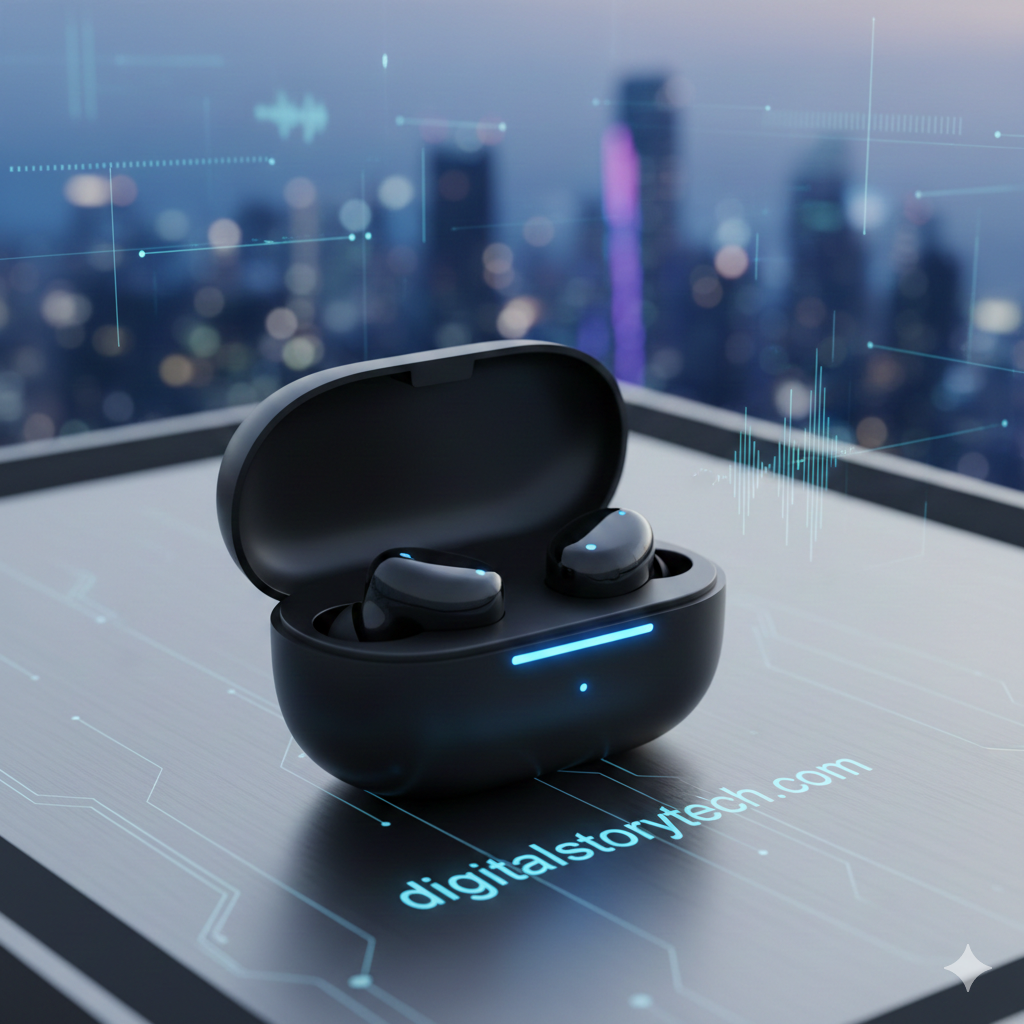
At their core, wireless earbuds are miniature speakers that fit directly into your ears without any physical cable connecting them to your audio source, like your phone or laptop. They communicate using Bluetooth technology, the same wireless standard that connects your phone to your car stereo or a wireless keyboard to your computer. The most common type you will see today are called “True Wireless” earbuds. This means the two earbuds are completely separate, with no wire connecting them to each other. They come in a small charging case that not only protects them but also replenishes their battery multiple times before the case itself needs to be plugged in. This case is a key part of the experience, making it easy to carry your earbuds everywhere and ensuring they are always charged and ready to go. It is a simple yet brilliant system that has made audio more portable and accessible than ever before.
A Brief History: From Sci-Fi to Your Ears
The idea of wireless audio might seem modern, but its roots go back further than you might think. For decades, science fiction movies and books depicted characters with tiny communication devices in their ears, sparking our collective imagination. The first steps toward commercial wireless headphones were clunky, often using radio frequencies rather than Bluetooth. The real turning point came in the 2010s as Bluetooth technology became more power-efficient and capable of transmitting higher-quality audio. When a major tech company removed the headphone jack from its smartphones, it sent a clear signal to the industry and consumers alike: the future was wireless. This move accelerated innovation at a breathtaking pace. Companies began competing to create earbuds that were smaller, sounded better, lasted longer, and offered smarter features. Today, wireless earbuds are a multi-billion dollar industry, with new models released every year that push the boundaries of what is possible.
The Evolution of Sound Quality
In the early days of wireless earbuds, a common complaint was about the sound quality. Audiophiles, people who are passionate about high-fidelity sound, often stuck with their wired headphones because Bluetooth could not match the audio clarity and detail. However, that gap has closed dramatically. Advances in audio codecs, which are the methods used to compress and transmit audio data, have been a game-changer. Codecs like AAC, aptX, and LDAC now allow for much more data to be streamed wirelessly, resulting in richer bass, clearer vocals, and more detailed instrumentation. Manufacturers have also developed better, more powerful drivers, which are the tiny speakers inside each earbud. The combination of superior hardware and more efficient software means that today’s best wireless earbuds can deliver an audio experience that satisfies even the most discerning listeners.
Key Features to Consider When Buying
Walking into the world of wireless earbuds can be overwhelming with so many options. How do you choose? It is not just about picking the most expensive pair or the one with the flashiest brand name. The best pair for you depends on your lifestyle, your priorities, and your budget. To make an informed decision, you need to become familiar with the key features that differentiate one model from another. Think about how and where you will use them most often. Are you planning to wear them for long work calls, during intense workouts, or while commuting on a noisy train? Your answers will guide you toward the features that matter most. Let us break down the most important aspects you should evaluate before making your purchase.
Battery Life and Charging Case
Battery life is arguably one of the most critical factors for any portable device, and wireless earbuds are no exception. When looking at specifications, you will usually see two numbers: the battery life of the earbuds themselves on a single charge, and the total battery life including the charging case. A good benchmark for the earbuds is between 6 to 8 hours of continuous playback. However, features like active noise cancellation can drain the battery faster, so keep that in mind. The charging case is your power bank on the go. Most cases can provide multiple full charges, giving you a total of 24 to 30 hours of use before you need to find an outlet. Also, pay attention to charging speed and methods. Many cases now support fast charging, giving you an hour of listening time from just a few minutes in the case. Wireless charging is another convenient feature, allowing you to simply place the case on a charging pad instead of fiddling with cables.
Sound Quality and Audio Codecs
We touched on the evolution of sound quality, but what should you specifically look for? Sound quality is subjective, but there are technical aspects you can compare. The driver size, measured in millimeters, is a good starting point. Generally, larger drivers can produce more powerful bass, but the overall tuning by the manufacturer is just as important. Look for earbuds that support high-quality Bluetooth codecs. For iPhone users, AAC works very well. For Android users, looking for support for aptX or LDAC can provide a noticeable boost in audio fidelity if your phone also supports them. Many companion apps also include an equalizer, allowing you to customize the sound signature to your liking, whether you prefer more bass for hip-hop or a flatter response for classical music. The goal is to find a pair that sounds good to your ears.
Fit and Comfort: The Make-or-Break Factor
You can have the best-sounding earbuds in the world, but if they do not fit your ears comfortably, you will not want to wear them. A secure fit is also crucial for getting the best sound quality and effective noise cancellation, as it creates a proper seal in your ear canal. Most earbuds come with multiple sizes of silicone or foam ear tips. It is essential to try each size to find the one that creates a snug, comfortable seal without causing pressure. Some brands offer earbuds with a wingtip or fin that tucks into the crevice of your ear for extra stability during activities like running. Comfort is highly personal, so if possible, try them on before you buy. A good fit should feel secure enough that you can jog in place without them falling out, but not so tight that it becomes painful after an hour of use.
Finding the Right Fit for Active Lifestyles
If you plan to use your earbuds primarily for working out, fit becomes even more important. You need a pair that can handle sweat, movement, and the occasional jolt. Look for earbuds that have an IP (Ingress Protection) rating. This rating tells you how resistant the earbuds are to dust and water. For workouts, an IPX4 rating is a good minimum, as it means they are protected against splashing water from any direction. For serious runners or athletes, an IPX7 rating means they can even withstand immersion in water for a short time. The physical design also matters. A hook-over-the-ear design or the inclusion of stabilizing fins can be a game-changer for high-intensity training. After all, the last thing you want to worry about during a deadlift or a sprint is your expensive earbud popping out and skidding across the gym floor.
Active Noise Cancellation (ANC) Explained
Active Noise Cancellation, or ANC, is a feature that feels like magic. It uses tiny microphones on the earbuds to pick up external low-frequency sounds, like the hum of an airplane engine or the rumble of a city bus. The earbuds then instantly produce a sound wave that is the exact opposite (the “anti-noise”) to cancel out the unwanted sound before it reaches your eardrum. The result is a dramatically quieter listening environment, allowing you to enjoy your audio at lower, safer volumes. This is a must-have feature for frequent travelers or anyone who works in a noisy office. Many earbuds also offer a “Transparency” or “Ambient Sound” mode, which does the opposite. It uses the microphones to pipe in outside sounds, so you can hear announcements or have a conversation without taking your earbuds out. This is incredibly useful when you are walking in a city and need to be aware of your surroundings.
Microphone Quality and Call Clarity
Wireless earbuds are not just for listening; they are also for speaking. With so many people working remotely or taking calls on the go, microphone quality is a crucial feature. Early models struggled with this, often making the user sound distant or picking up too much background wind and noise. Modern earbuds have made huge strides. They often use multiple microphones on each earbud. One microphone is focused on picking up your voice, while others are dedicated to filtering out background noise. Advanced algorithms then clean up the audio signal before it is sent to the person on the other end of the call. This technology, often called “beamforming” or “noise-rejecting,” ensures that you sound clear even if you are walking down a windy street. If you take a lot of video conferences or phone calls, prioritizing a model known for its excellent microphone performance is a smart move.
Comparing the Top Brands
The market for wireless earbuds is vibrant and competitive, with several major players offering distinct advantages. To help you get a clearer picture, here is a comparison of some of the leading brands and what they are known for.
| Brand | Known For | Typical Price Range | Best For |
|---|---|---|---|
| Apple | Seamless ecosystem integration, user-friendly features, good mics | Premium | iPhone users, ecosystem loyalty |
| Sony | Industry-leading noise cancellation, high-fidelity sound | Premium | Audiophiles, frequent travelers |
| Bose | Superior comfort, balanced sound, strong noise cancellation | Premium | All-day comfort, reliable performance |
| Samsung | Good value within its ecosystem, solid features | Mid-Range to Premium | Android/Samsung users |
| Jabra | Excellent call quality, secure fit, strong feature set | Mid-Range to Premium | Business professionals, fitness |
| Anker (Soundcore) | Exceptional value, impressive sound for the price | Budget to Mid-Range | Budget-conscious buyers |
This table gives a general overview, but it is important to read reviews of specific models, as a brand’s offerings can vary from product to product. A great resource for in-depth, technical reviews is Digital Story Tech, which often breaks down the performance of new audio gear in an easy-to-understand way.
How to Get the Perfect Fit
We have talked about why fit is important, but how do you actually achieve it? It is more than just jamming the largest ear tip into your ear. First, make sure your ears are clean and dry. Most earbuds come with three or four sizes of silicone tips. Start with the medium size. Insert the earbud and gently twist it into place so it sits snugly in your ear canal. A good seal will naturally block out a significant amount of background noise even before you turn on any noise cancellation. You can test the seal by playing a song with a consistent bass line. If the bass sounds weak or thin, try a larger ear tip. If you feel excessive pressure or pain, try a smaller one. Some premium brands even offer foam ear tips, which conform to the unique shape of your ear canal for an exceptional seal and comfort, though they may need to be replaced more often than silicone tips.
Caring for Your Wireless Earbuds
Your wireless earbuds are a significant investment, and taking good care of them will extend their lifespan and keep them performing at their best. First and foremost, always store them in their charging case when not in use. This protects them from physical damage, dirt, and also ensures they are always charged. Regularly clean the earbuds and the case. Use a soft, dry, lint-free cloth to wipe down the exterior. To remove earwax or debris from the meshes and crevices, a dry cotton swab is very effective. Never use sharp objects or liquids to clean them. Keep them away from extreme temperatures and moisture, even if they have a high water resistance rating. That rating is for fresh water; sweat, chlorine, and salt water can be more corrosive over time. A little bit of routine maintenance goes a long way.
Key Takeaways
-
Wireless earbuds offer unparalleled freedom and convenience for music, calls, and content consumption.
-
Key features to prioritize include battery life (with the case), sound quality, secure fit, and Active Noise Cancellation (ANC) if you need it.
-
Fit is critical for both comfort and audio performance; always test different ear tip sizes.
-
Microphone quality varies widely; look for models with noise-rejecting tech if you take calls on the go.
-
The charging case is a vital component, providing portable power and protection.
-
Proper care and cleaning will significantly extend the life of your earbuds.
Conclusion
Wireless earbuds have truly set our ears free. They have evolved from a niche gadget to an essential everyday item, seamlessly integrating into our work, workouts, and leisure time. The technology has matured to a point where you do not have to sacrifice sound quality for convenience. By understanding the key features like battery life, fit, noise cancellation, and microphone performance, you can cut through the marketing hype and find the perfect pair that fits your lifestyle and budget. It is about finding the earbuds that disappear into your routine, providing a perfect soundtrack to your life without any hassle. So, take what you have learned, think about what you need, and take the plunge. A world of crystal-clear, wire-free audio is waiting for you.
Frequently Asked Questions (FAQ)
How long do wireless earbuds typically last?
The lifespan of wireless earbuds is generally two to three years. This is often tied to the battery, as rechargeable lithium-ion batteries slowly lose their capacity to hold a charge over hundreds of charging cycles. The technology also advances so quickly that you may be tempted to upgrade for new features before the old ones fully wear out.
Can I use just one earbud at a time?
Yes, almost all modern true wireless earbuds support a “mono” mode, allowing you to use either the left or right earbud independently. This is perfect for situations where you need to be aware of your surroundings, like driving or having a long conversation, or simply to extend the total battery life by charging one while using the other.
Are wireless earbuds bad for your hearing?
Wireless earbuds themselves are not inherently bad for your hearing. The risk comes from listening at excessively high volumes for prolonged periods. Because they form a seal and can block out external noise, it is easy to crank the volume up without realizing it. A good practice is to use the volume limiter on your phone and follow the 60/60 rule: listen at no more than 60% volume for no longer than 60 minutes at a time.
What should I do if I lose one earbud?
Losing a single earbud is a common fear. Many companion apps now include a “Find My Earbuds” feature that can make the lost earbud play a sound to help you locate it, provided it still has battery and is in Bluetooth range. If it is truly lost, you will usually need to contact the manufacturer to see if you can purchase a single replacement earbud, which can be expensive. Some brands offer a lost earbud replacement program for a fee.
Do wireless earbuds work with any smartphone?
Generally, yes. Wireless earbuds use the universal Bluetooth standard, so they are designed to be compatible with any smartphone, tablet, or computer that has Bluetooth capability, regardless of whether it is an iPhone or an Android device. However, some premium features, like high-quality audio codecs or seamless pairing animations, may be optimized for a specific brand’s ecosystem.